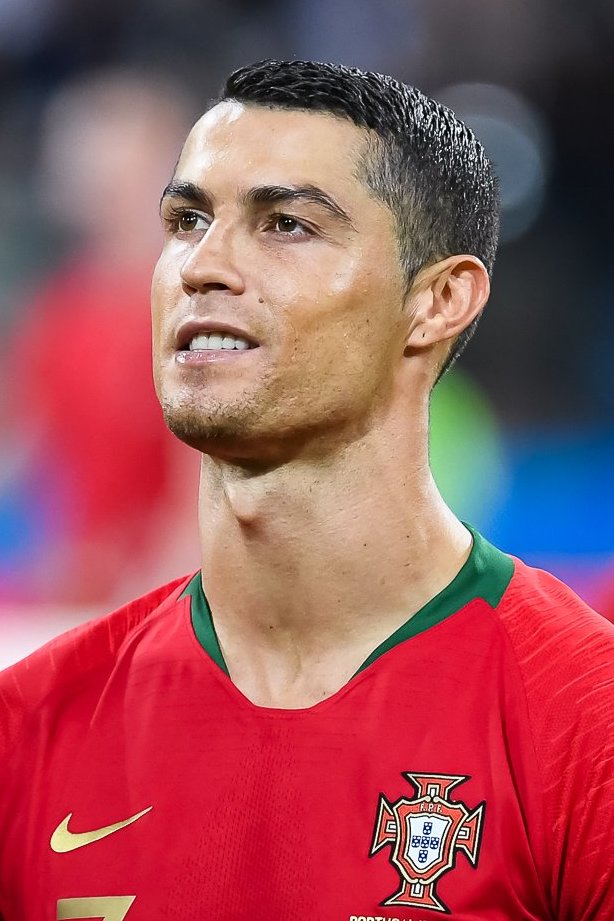
The story begins not on a manicured pitch in Madrid or Manchester, but in a cramped, humble home on the Portuguese island of Madeira. It is a classic rags-to-riches narrative, yet the scale of the riches—and the relentless drive that forged them—is anything but common. Cristiano Ronaldo dos Santos Aveiro, once sharing a room with three siblings while his father battled alcoholism, is now a financial colossus, a half-billion-dollar brand whose influence spans continents and whose every social media post is valued higher than the annual salary of most CEOs.
Ronaldo’s ascent was predicated on a sacrifice that began before he was a teenager. At just 12, he left the familiarity of Madeira for the demanding environment of the Sporting Lisbon academy. The isolation was profound; he reportedly cried himself to sleep, his distinctive Madeiran accent becoming fodder for his teammates’ mockery. But that early adversity sharpened a core trait: an almost obsessive work ethic. Coaches noted his dedication, initially concerned only that the skinny boy lacked the physical durability for the top flight. He answered those concerns by turning his body into a finely tuned, multi-million-dollar machine.
The financial turning point arrived in 2003 when Manchester United paid £12.24 million for the promising 18-year-old. Over the next six years, Ronaldo transformed from a flashy winger into a global superstar, culminating in three Premier League titles and a Champions League victory. But the real money earthquake occurred in 2009. Real Madrid, recognizing the unique blend of athletic prowess and marketability, shattered the world transfer record, paying a staggering £80 million. It was in Madrid that Ronaldo solidified his legend, becoming the club's all-time leading scorer and adding four more Champions League trophies to his cabinet, cementing his position alongside contemporaries like Lionel Messi in the pantheon of footballing greats.
While his club salaries were astronomical, they represent only the foundation of his wealth. Ronaldo understood early on that his name was a transferable asset. His lifetime endorsement deal with Nike, inked in 2016, is arguably the most lucrative sponsorship in sports history, reportedly valued at over $1 billion. This deal places him in the rarefied air of athletes like Michael Jordan, whose brand transcended their playing careers. Crucially, Ronaldo leveraged this fame into the CR7 empire, a diversified portfolio that includes branded underwear, fragrances, high-end hotels (Pestana CR7), and gyms.
The true engine of modern Ronaldo wealth, however, is digital. With over 600 million followers across platforms, he is arguably the most followed human being on the planet. This digital dominance translates directly into staggering revenue. Industry analysts estimate that his social media presence alone generates approximately $50 million annually from sponsored content. The sheer power of his reach means that a single Instagram post from Ronaldo is valued by brands at an astonishing $3.2 million—a figure that dwarfs the digital earnings of almost any other celebrity, including those in Hollywood or the music industry.
The most recent, and most financially stunning, chapter of his career unfolded in 2023. At 38, Ronaldo made the controversial decision to leave European football for Al-Nassr in Saudi Arabia. While critics labeled it a mercenary move, citing the end of his elite European career, the financial terms were indisputable: a contract reportedly worth $200 million per year. This deal instantly made him the highest-paid athlete in any sport, ever, surpassing the previous peaks set by baseball and basketball stars. He framed it as a "new challenge" and a chance to develop the sport in a new region, but the financial magnitude of the transfer redefined what an athlete could earn in the twilight of their career.
To sustain this empire, Ronaldo maintains a dedication to fitness that borders on the mythical. His body remains his most valuable asset, protected by a strict diet and unique routines—including reportedly sleeping in five 90-minute cycles. This superhuman commitment allowed him to continue performing at an elite level even at 39 years old, recently becoming the all-time leading scorer in professional football history. His competitive fire, the same intensity that drove him from a tiny Madeiran home, shows no sign of dimming.
The question now is not whether Ronaldo’s wealth is secure—it is—but what his next act will be. Will he transition fully into a business mogul, perhaps expanding his hotel chain into the US market, or will he follow the path of other sports icons into club ownership or coaching? Given his unparalleled global brand recognition and his demonstrated ability to monetize every aspect of his life, his financial legacy is more than secure. It is a blueprint for how a modern athlete can transform talent into a multi-billion-dollar global enterprise, ensuring that long after his final goal is scored, the CR7 brand will continue to generate wealth.


