The Rise of K-pop: How Korean Entertainment Conquered the World
K-pop didn’t “get popular” overseas by luck. It was engineered. South Korea built an entertainment export machine that fuses music, fashion, fandom, and tech into a single system designed to scale globally. The result: Korean idols became international celebrities, and Korean entertainment became a cash-printing industry powered by albums, touring, endorsements, IP licensing, equity deals, and real estate.
This article breaks down how K-pop conquered the world and, because your site focuses on money and fame, it highlights the wealth-building playbooks behind the biggest artists and the companies that manufacture stardom at scale.
Why K-pop Became a Global Phenomenon
K-pop’s rise is the product of three forces working together:
- Systematic training and production: Agencies recruit talent early, train for years, and debut fully packaged acts.
- Platform-native marketing: K-pop mastered YouTube, TikTok, and social fandom before most Western labels adapted.
- High-monetization fandom culture: Fans don’t only stream songs; they buy albums, collectibles, concert tickets, and memberships.
Unlike many Western stars whose brands grow organically, K-pop idols are built to be global consumer brands from day one.
The K-pop Money Machine: Where the Cash Actually Comes From
To understand K-pop wealth, you need the core revenue streams. In rough order of “biggest checks,” this is where the money typically comes from:
- Touring: Stadium and arena tours generate massive revenue through ticket sales and premium seating.
- Merchandising: Official merch, collectibles, light sticks, apparel, pop-ups, and limited drops.
- Albums (physical + digital): Physical albums still matter in K-pop because they’re collectibles (photocards, limited editions).
- Brand endorsements: Beauty, fashion, luxury, tech, beverage, and retail campaigns.
- Streaming + publishing royalties: Often smaller per unit than fans assume, but huge at scale.
- IP licensing: Character brands, webtoons, games, documentaries, and film/TV deals.
- Equity exposure: Some artists hold shares in agencies; IPO events can convert fame into liquid wealth.
- Real estate: High-net-worth Korean celebrities often park wealth in prime Seoul property.
BTS: The Stadium-Tour Empire and the IPO Wealth Multiplier
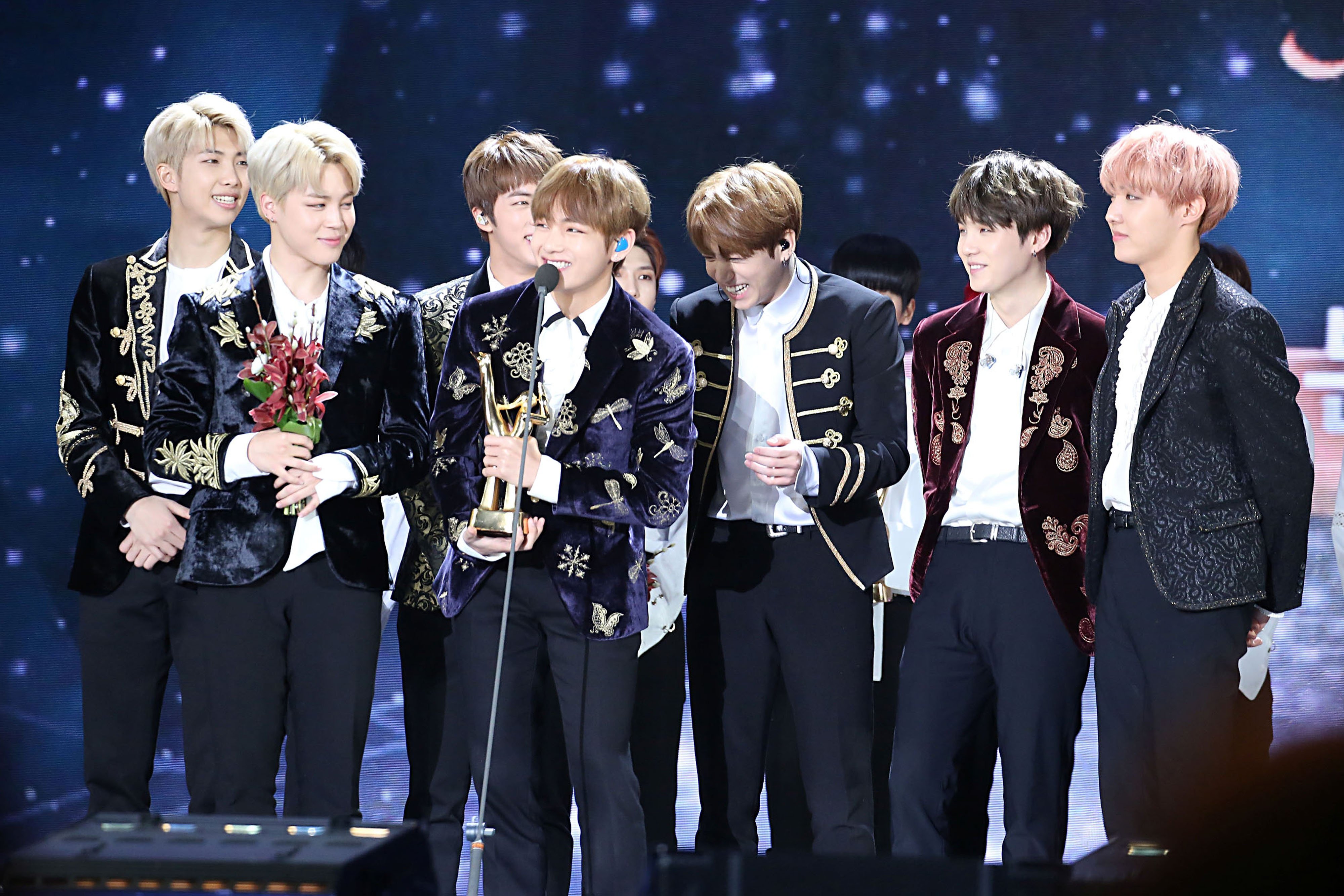
BTS are the clearest example of K-pop turning global popularity into financial dominance. Estimates vary widely by source, but most place BTS members as multi-millionaires, with the group’s overall wealth commonly estimated in the hundreds of millions of dollars.
How BTS built wealth
- Stadium tours: Touring is the biggest engine. When an act sells out stadiums across continents, it’s not just ticket revenue—merch and premium packages scale with it.
- Physical album dominance: BTS albums sell in massive quantities because fans treat releases as collectibles, not just music.
- Merch and IP: Merchandising goes far beyond T-shirts. Pop-up stores, special drops, collaborations, and character-style IP can rival music income.
- HYBE equity and IPO effect: BTS’s label HYBE went public, and members reportedly had equity exposure—this is how entertainers turn into “capital owners,” not just performers.
- Global endorsements: BTS-level deals price like international celebrity campaigns, not local sponsorships.
Key takeaway: BTS proved the K-pop model can produce not just stars, but global-scale wealth through touring and ownership structures.
BLACKPINK: Luxury Branding as a High-Margin Fortune Strategy
BLACKPINK built a different money machine: scarcity + global fashion dominance. While tour revenue remains huge, their standout advantage is luxury monetization. Individual net worth estimates often land around $20M–$30M per member (varies by source and timing).
How BLACKPINK accumulated money
- World tours: Sold-out global touring creates massive cash flow.
- Luxury ambassador deals: Multi-year global partnerships can be worth millions, especially with fashion and jewelry houses.
- Streaming at scale: Their catalog is constantly discovered by new global listeners, generating long-tail revenue.
- Scarcity pricing: Fewer releases can keep demand high, increasing negotiating leverage for endorsements and touring.
Key takeaway: BLACKPINK monetized fame like Hollywood A-listers: luxury brand capital plus tour scale.
IU: Royalties and Real Estate for Long-Term Wealth
IU represents a long-game wealth strategy built on durability. Many estimates place her net worth at $30M–$50M+, depending on the source.
How IU makes money
- Music royalties: Artists with songwriting credits earn publishing income that can compound for years.
- Acting fees: Major drama roles provide significant per-episode pay and brand value lift.
- Endorsements: Long-running brand partnerships pay well and keep image premium.
- Real estate: Korean celebrities frequently accumulate property in high-demand areas as a wealth-preservation move.
Key takeaway: IU’s model resembles a high-net-worth investor: recurring royalties + property + selective branding.
PSY: Viral Fame into Ownership and Business Power
PSY became the first true global K-pop viral shockwave. Many estimates place his net worth at $50M–$70M+ depending on valuation and business holdings.
How PSY turned a hit into a fortune
- YouTube-era monetization: “Gangnam Style” captured massive global ad revenue during a key period of platform growth.
- Licensing and commercial usage: Viral songs get licensed everywhere—ads, events, TV, sports.
- Agency ownership (P NATION): The biggest wealth move is stepping into ownership. Running an agency converts celebrity into enterprise value.
- Real estate and investing: High-profile Korean celebrities commonly diversify into property and conservative assets.
Key takeaway: Viral fame is fragile; ownership is durable. PSY did the smart thing and became a business.
The Entertainment Companies: Where Wealth Scales Faster Than Stardom
If you want to understand the real K-pop money, look at the companies. Agencies monetize talent development as a repeatable system, not a one-off phenomenon. The major players include:
- HYBE (global platform strategy + IP + acquisitions)
- SM Entertainment (deep catalog + production infrastructure)
- YG Entertainment (high-end branding + global touring acts)
- JYP Entertainment (efficient training pipeline + global expansion)
Public listings, intellectual property, and global distribution partnerships mean founders and early executives can accumulate wealth through equity appreciation, not just yearly profit. This is the “IPO path” that turns entertainment into finance.
Why K-pop Monetizes Fame Better Than the West
- Direct-to-fan commerce: Memberships, merch, and collectibles are baked into releases.
- Global-first content packaging: Subtitles, variety content, behind-the-scenes, and constant social output increase engagement.
- Training as quality control: Reduces the number of “unfinished” debuts and increases hit probability.
- Merch culture at scale: K-pop fans buy physical products at a rate Western labels envy.
- Brand safety and polish: Idols are built for endorsements—clean image, consistent visuals, predictable professionalism.
K-pop isn’t just music. It’s a global celebrity manufacturing system designed to monetize attention across multiple markets.
The Future: IP, Tech, and the Next Wealth Wave
The next phase of K-pop wealth won’t come only from songs. It will come from:
- IP universes: Characters, webtoons, dramas, films, and games built around idol brands.
- Platform ownership: Agencies pushing fan platforms, subscriptions, and direct commerce.
- Global touring infrastructure: More stadium acts, more premium packages, more regional festivals.
- Equity-style deals: Artists negotiating ownership stakes, profit participation, and label partnerships.
Korean entertainment conquered the world by doing what many industries fail to do: it treated fame like a business asset. K-pop didn’t just export music. It exported a repeatable model for turning attention into money—and then turning that money into long-term wealth.