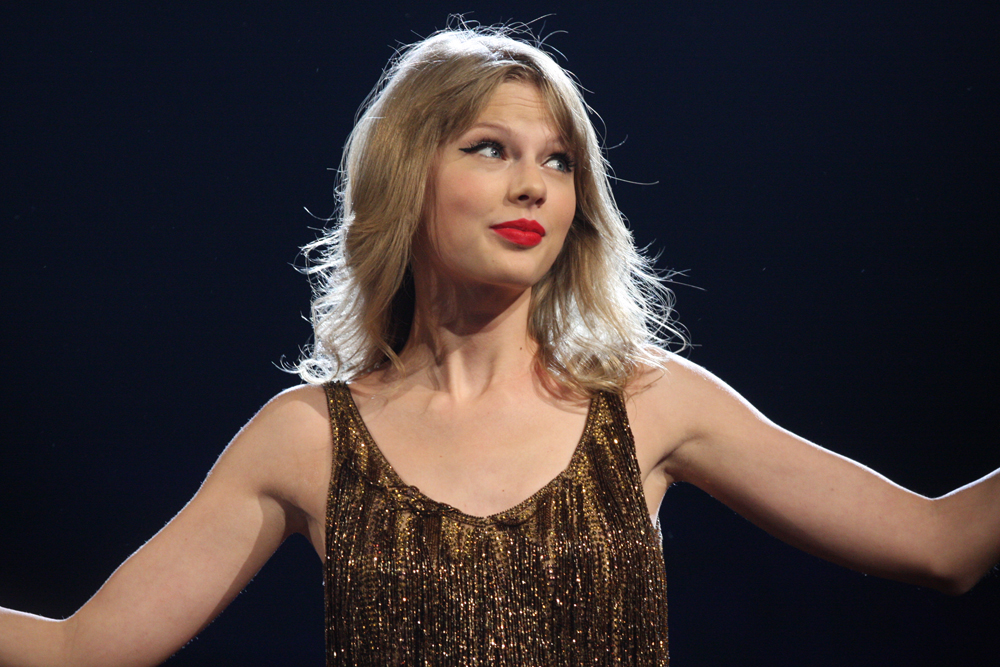
The lights dim, the roar of 70,000 fans crests, and as Taylor Swift steps onto the stage, she isn't just launching into another three-hour set—she is activating the world’s most powerful economic engine. The Eras Tour, which kicked off in March 2023, was never merely a concert series; it was a meticulously engineered financial phenomenon that didn't just break records, it redefined the very architecture of celebrity wealth. In doing so, Swift didn't just join the billionaire’s club; she became the first musician—male or female—to achieve that staggering milestone primarily through the sheer, unadulterated power of her music and touring.
For decades, the path to nine-figure fortunes for musicians often required leveraging fame into peripheral ventures: spirits brands, fashion lines, or tech investments. Think of Jay-Z with Roc Nation and Armand de Brignac champagne, or Rihanna with Fenty Beauty, whose valuation dwarfed her music catalog. Swift, however, carved a new path, demonstrating that in the streaming age, direct connection with a fanbase, coupled with iron-clad intellectual property control, is the ultimate currency. The numbers from the Eras Tour are less statistics and more seismic readings. The tour has grossed well over $2.2 billion in ticket sales alone, establishing it as the highest-grossing concert tour in history, shattering the previous records held by Elton John and U2.
But the revenue stream flows far wider than just the average $254 ticket price. Swift’s empire is built on vertical integration and fan engagement. Consider the merchandise: $440 million poured in from hoodies, vinyl, and, famously, the friendship bracelets that became a cultural touchstone, reportedly generating $50 million in revenue themselves. Sponsorships from giants like Capital One and Coca-Cola added another $150 million to the coffers. Then came the masterstroke of distribution: bypassing traditional studios, Swift released the concert film directly through AMC, netting a staggering $260 million and securing its status as the highest-grossing concert movie ever made. This level of financial control is unprecedented in modern entertainment.
The foundation of this fortune, however, was laid years earlier, in a battle for ownership that became a masterclass in financial strategy. When her original masters were sold without her consent, Swift didn't just complain; she executed a brilliant, multi-year plan to re-record her first six albums. This strategic move, known as ‘Taylor’s Versions,’ effectively devalued the original recordings and ensured that she now owns the most lucrative versions of her early work. Industry analysts estimate this bold maneuver added at least $200 million to her net worth, securing her ownership of a music catalog now valued at over $400 million.
Diversification is key to sustaining such wealth. Beyond the touring machine, Swift maintains robust, reliable income streams. Her annual streaming revenue from platforms like Spotify and Apple Music consistently hovers around $80 million. Her carefully curated real estate portfolio, valued conservatively at $150 million, includes lavish properties spanning New York City, Nashville, Los Angeles, and the famous Rhode Island compound. Unlike many celebrities who chase fleeting endorsement deals, Swift’s brand partnerships are strategic and limited, yet still contribute an estimated $30 million annually.
The economic ripple effect of her success is so profound it has been dubbed the "Swift Effect." Cities hosting the Eras Tour reported economic boosts that rival major sporting events. In cities like Seattle and Cincinnati, local economies received an estimated $50 million to $100 million injection per show weekend. Hotels saw prices surge by 300% to 400%, and local restaurants reported revenue increases of 50% or more. "It’s not just concert tourism; it’s an economic stimulus package delivered by a single person," one economist was quoted as saying, highlighting the unique consumer loyalty Swift commands.
As the international leg of the Eras Tour continues to sell out stadiums across Asia, Europe, and Australia, the question isn't whether Swift will maintain her billionaire status, but how high her ceiling truly is. With a new album anticipated and the potential for further international tour extensions and media ventures, industry analysts speculate that her net worth could realistically approach $2 billion by 2028. Taylor Swift has not just conquered the music industry; she has rewritten the financial playbook for creative powerhouses, proving that intellectual property, fan loyalty, and strategic ownership are the true keys to building an enduring, multi-billion-dollar empire.